Ladder Snatchers
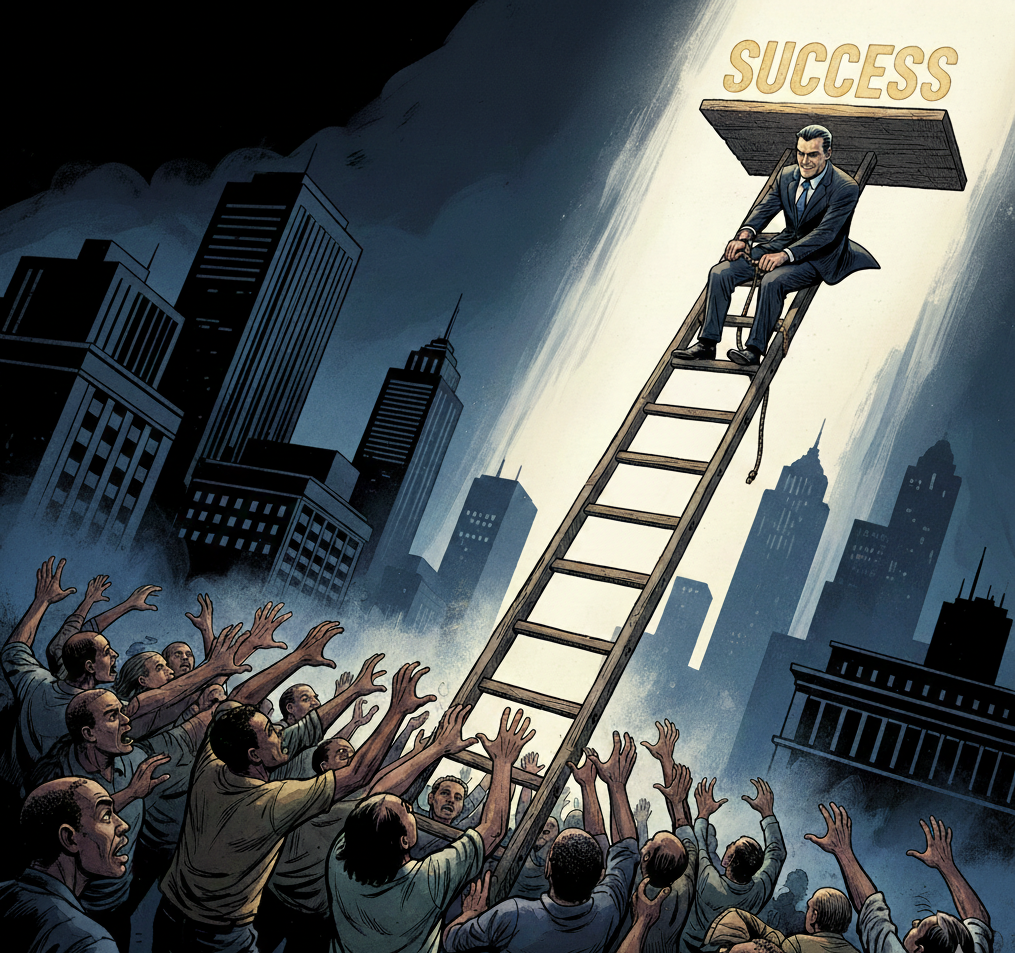
There is a subtle kind of selfishness that doesn’t look cruel on the surface. It hides behind words like policy, standards and order. However, it is simple: some people climb up using a system, then turn around and block others from using the same route.
These people are ladder snatchers.
Ladder snatchers did not arrive at success by magic. They used opportunities that existed at the time, such as scholarships, immigration pathways, mentorship, public education, flexible hiring policies or social support systems. These structures worked, opened doors and created momentum.
Then comfort arrives, power settles in and suddenly the narrative changes. The same ladder becomes “too soft, the system is now “being abused” and new entrants are painted as lazy, undeserving or incapable. What really changed is not the system; it’s the speaker’s position within it.
Immigration offers one of the clearest examples. Many immigrants entered countries legally through student visas, work permits or family routes. They waited, complied with the rules and eventually became permanent residents or citizens. Yet some later push that those same legal pathways be closed. They crossed the bridge and now want it burnt behind them.
This behaviour appears in workplaces too. Professionals who once benefited from training and mentorship now resist junior hiring, block promotions or demand unrealistic entry requirements. The ladders that once saved them time and struggle suddenly feel unnecessary for others.
What makes ladder snatching dangerous is its long-term damage. When access is restricted, talent is wasted, innovation slows and frustration grows. Societies become divided between insiders and outsiders. Progress becomes selective instead of shared.
At the core of ladder snatching is fear of competition, of losing relevance and of scarcity. However, fear is not leadership and exclusion is not strength.
If a system helped you rise, you don’t own it. You inherit a responsibility to protect it, improve it and pass it forward.
So, here’s the real challenge:
When you finally make it… will you hold the ladder steady or pull it up behind you?
This is because success means little if the ladder only works once.