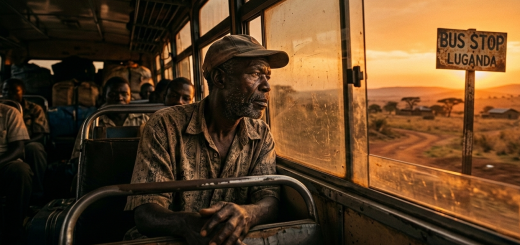
Growing Up With Lanterns
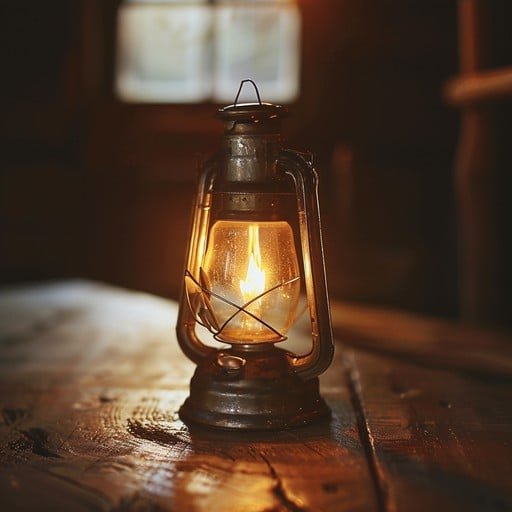
The lantern sat on the wooden table like a king that demanded respect. In those days in Akure, before generators became common and when NEPA, PHCN or whatever name they go by these days behaved like a stubborn relative that visited only when it pleased, that lantern was important.
Every home had one. Some had two if they were considered “well-to-do.” Ours had one main lantern and one smaller backup whose globe was already blackened from years of use.
Saturday mornings in our compound were never for sleeping. By 6 a.m., the whole streets in Ondo area were already alive with the sounds of brooms scraping the earth, buckets banging, radios blasting Ebenezer Obey or Sunny Ade, and mothers shouting instructions from every direction.“Wash that plate well!”“Go and fetch water!”“Sweep under the bed too!”
It was sanitation day, and nobody escaped work. That particular Saturday, my mother handed me the lantern.“Clean the globe properly,” she warned, pointing one wet finger at me. “If you break it, don’t come and stand before me.”I nodded with the fake confidence only children possess.
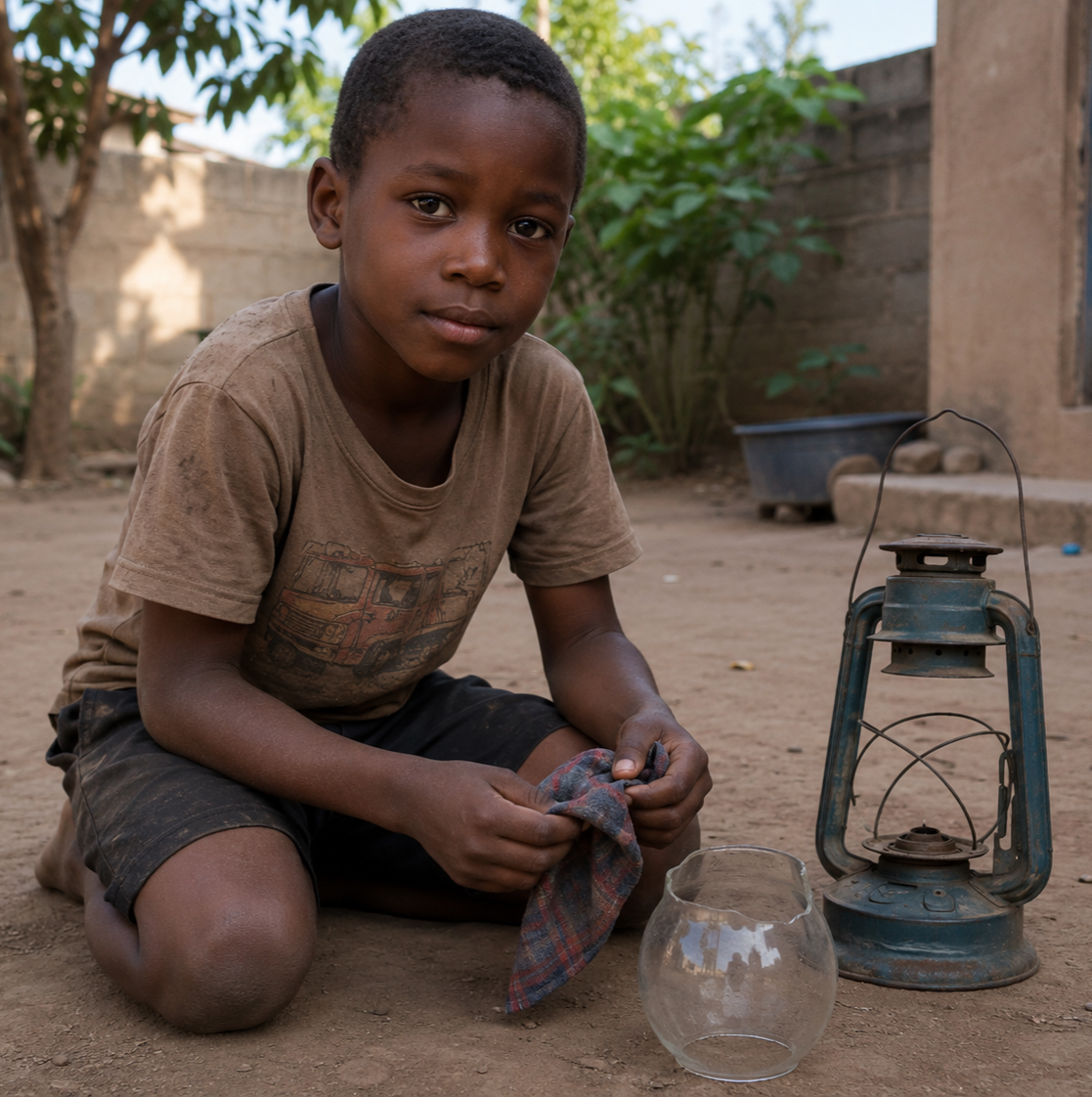
The lantern globe was delicate like an egg and everybody knew it. You held it carefully, washed it gently, and dried it like you were handling a newborn baby. Replacement was not easy to find quickly, and even when you found one in Oja Oba market, you would hear complaints about unnecessary expenses for the next three months.
I carried the lantern outside to the backyard, where we usually washed things. The morning sun was just beginning to rise properly. The scent of wet earth mixed with detergent foam filled the air. Somewhere nearby, somebody was frying akara. I removed the globe carefully. At least, that was what I thought. The thing slipped. One second, it was in my hand. The next second, PRAAAASH!Silence.
The kind of silence that makes your heartbeat loud. I froze and even the birds seemed disappointed in me. I stared at the broken pieces on the ground, my heart already calculating the beating waiting inside the house. Before I could even think of an excuse, my younger sister appeared from nowhere.“You have broken it!” she shouted with the excitement of someone who had just received breaking news.
“Keep quiet!” I whispered harshly. It was too late.“Mummy! He has broken the lantern!”My mother came out immediately, wrapper tied firmly around her waist, face unreadable.“What happened?”It slipped,” I muttered. That was how the first lecture started.“You children never handle anything carefully.” “Do you know how much that globe costs?” “Money does not grow on trees!”
I stood there receiving the full ministry of warnings and disappointment. Somehow, by mercy and maybe because it was still early morning, the matter ended with only serious scolding or so I thought. An hour later, my mother sent me to clean the smaller backup lantern. Even now, I still do not understand the confidence she had in me after the first disaster. Maybe she believed I had learned my lesson or she wanted to test my destiny.
This time, I was extra careful. I held the globe with both hands like communion but soap and glass are enemies. My finger shifted slightly. The globe slid slowly, almost gracefully, from my hand. I tried to catch it. Bad idea. It hit the floor.PRAAASH!Again. This time, there was no silence. My mother’s scream came instantly from inside the house.“Jesu!” I knew my life had ended.
To this day, I cannot fully explain the combination of fear, shame, and regret that filled my small body that morning. I remember standing there surrounded by broken glass, trying not to cry, while my siblings watched me like spectators at a public execution. The beating that followed became family history. Years later, we laugh about it now.
However, whenever I see one of those old lanterns, I remember that Saturday morning in Akure, the scent of wet concrete after sanitation, the sound of brooms across the compound, and how precious ordinary things were back then. We did not have much, so we learned to value what we had. Somehow, hidden inside those small childhood disasters were lessons about responsibility, care, consequence, and home. Funny enough, if you grew up in an African home in the 80s or 90s, you probably have your own version of “the day everything broke.”